
Winter puts your siding through a different kind of test. Cold nights, wind-driven rain, and freeze-thaw swings can push small weak spots into bigger leaks, drafts, and damage you can see from the curb. If your home already feels a little drafty, or your utility bills jump when the temperature drops, your siding may be part of the story. At Novalis in Chatham, NJ, we help homeowners spot problem areas early and choose the right repair or replacement plan before winter weather settles in.
Moisture Intrusion Signs You Should Not Ignore
Siding is your first layer of defense, so water problems tend to show up in patterns. You might see staining near seams, swelling around trim, or paint that peels faster than it should near windows and doors. Inside, you may notice musty odors, bubbling paint on exterior walls, or damp-feeling drywall in a corner room. Those clues matter because winter rain and wind can drive moisture into gaps that stay quiet during mild months.
Take a slow walk around the house after a storm. Look for soft spots when you press lightly near the bottom edge of panels or around penetrations like hose bibs and vent caps. You are not trying to pry anything open. You are looking for areas that look uneven, feel spongy, or show repeated staining. If you see those winter siding problems stacking up in the same area, you are past a cosmetic issue. Moisture that gets behind siding can affect sheathing, framing, and insulation, which then feeds drafts and higher bills.
Warping, Cracking, and Loose Panels That Change With Cold Weather
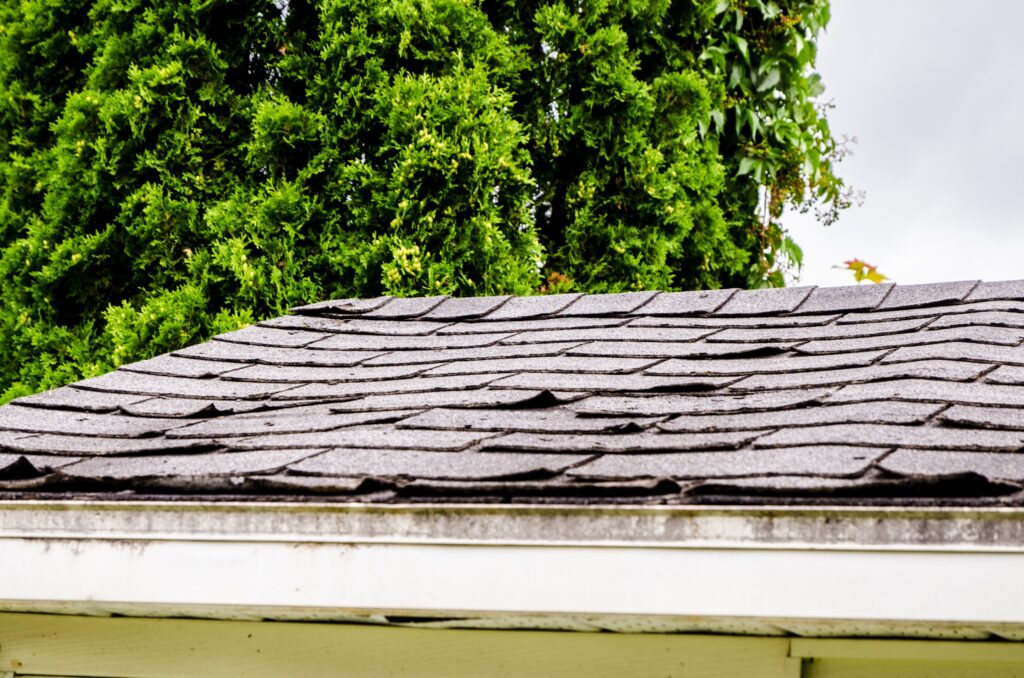
Cold weather tends to expose movement. Panels that were slightly loose in fall can rattle in winter wind. Sections that looked flat can start to wave or bow. Cracks can spread at corners and around fasteners. If you see panels pulling away from the wall, gaps opening at seams, or trim that no longer sits tight, treat it as a warning. Winter wind can push cold air into those openings, and melting frost can send water into the same pathways.
Some siding damage signs also show up as “new” noise. You may hear tapping when gusts hit a specific wall, or you may notice a whistling draft near an outlet on an exterior wall. Those are signs that air is moving where it should not. A professional inspection can confirm whether a targeted fix is enough or whether the wall needs broader work to restore a tight exterior layer.
Drafts, Pests, and Rising Utility Bills
Siding problems do not always look dramatic. Sometimes, you feel them first. If one side of the house runs colder, or if a room near a wind-facing wall never feels comfortable, air leaks may be slipping in through trim lines, corner posts, or failed caulk joints. When outside air gets in, your heating system runs longer to keep up, and your bills climb. You are also more likely to see condensation on windows because the indoor temperature and humidity swing more.
Pests follow the same openings. Small gaps around soffits, corners, and utility lines give insects and small animals a pathway into wall cavities. If you see new droppings in the attic, hear scratching near an exterior wall, or find insect activity near siding seams, do not brush it off as a separate issue. Siding gaps often connect to those problems. This is a moment where a siding repair plan can protect both comfort and building materials before winter deepens.
Repair vs. Replacement: How to Think About the Next Step
Not every problem calls for a full replacement. If damage is limited to a small section from impact or a localized leak around a window, targeted repairs may solve it. That is where siding repair Chatham, NJ homeowners schedule before winter can stop a small failure from turning into widespread moisture behind the wall. A repair approach works best when the siding is still in good condition overall, matches are available, and the underlying wall is solid once the damaged section is opened and checked.
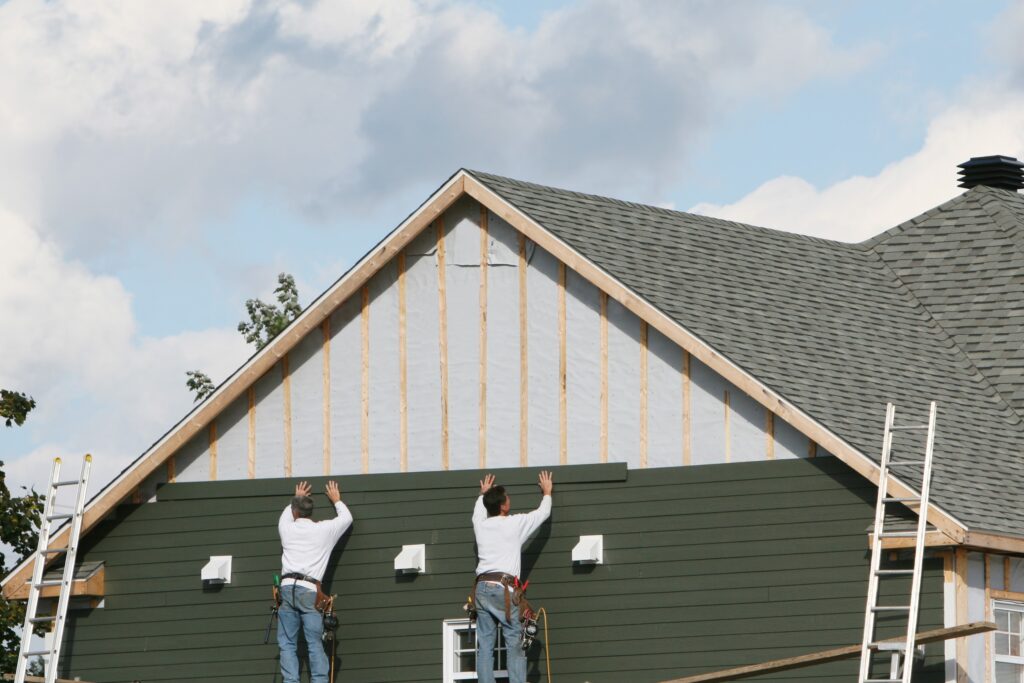
Replacement makes more sense when issues repeat across multiple walls, panels are brittle or warped in several areas, or you have widespread gaps that let air and water sneak in. If you are weighing siding replacement NJ options, look at the total picture: How many separate repairs have happened, whether the material still locks together cleanly, and whether the wall feels drafty even after basic sealing. A qualified siding contractor NJ homeowners trust can assess the siding, the moisture pathway, and the insulation impact, then explain what work will give you the best winter performance.
Winter-Ready Siding Starts With a Clear Assessment
If your siding is cracking, pulling away, or letting drafts and moisture creep into the wall, winter can make those weak spots worse fast. At Novalis, we handle siding inspections, targeted repairs, and full replacements for homeowners across north central New Jersey, with recommendations tied to what your home needs right now. If you want a clear, practical plan before cold weather puts more pressure on your exterior, schedule a siding evaluation with Novalis today.